- info@infiniteinnovationslimited.com
- Hughes Building, Mezzanine Floor - Muindi Mbingu Street, Nairobi

Cloud vs. On-Premise: Choosing the Right Infrastructure for Your Website
07
Jan
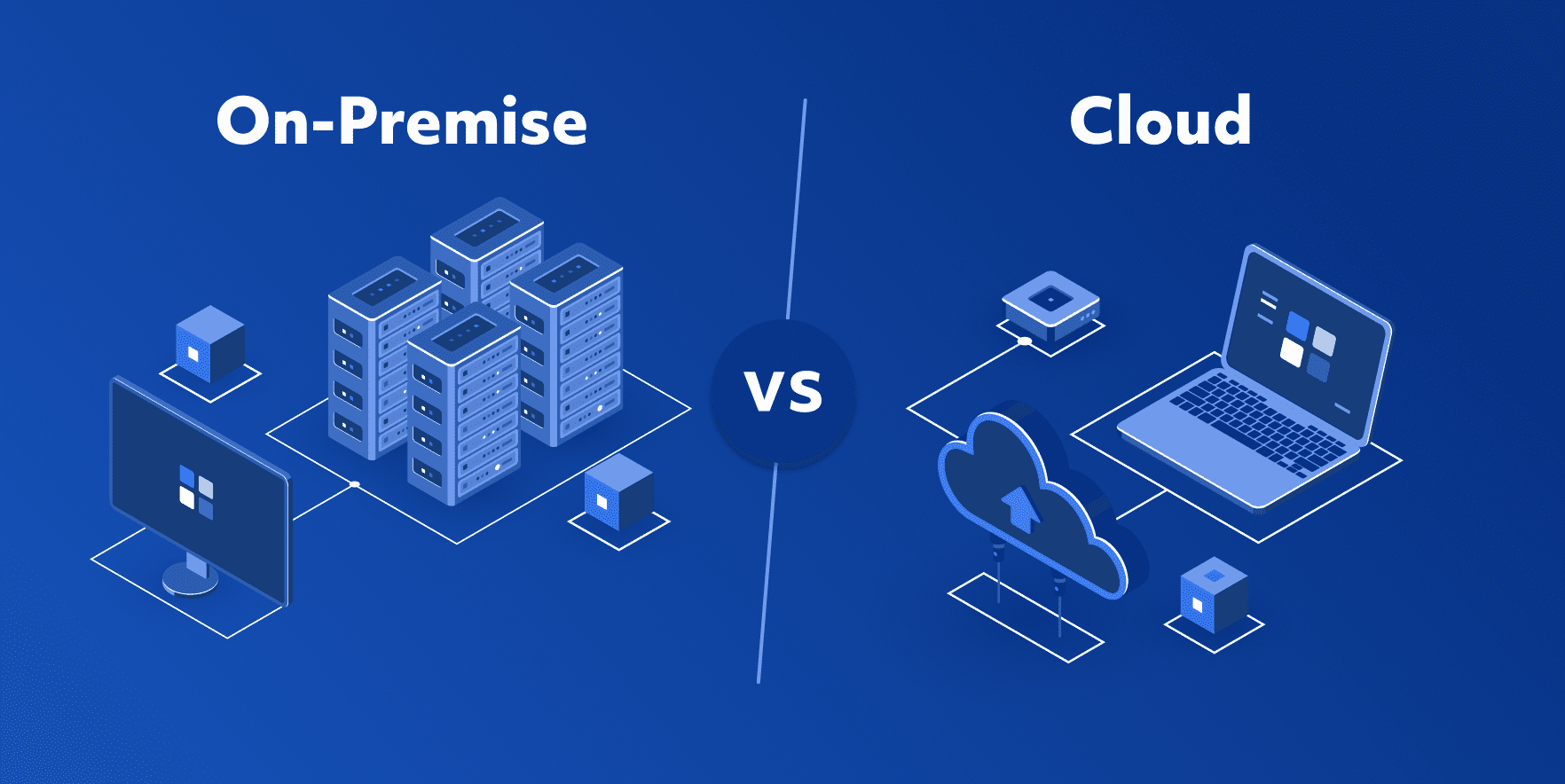
Building a successful website involves more than just great design and compelling content. Underneath it all lies the infrastructure that powers your site, determining its performance, scalability, security, and ultimately, your operational costs. When it comes to hosting your website, the two primary models are Cloud Infrastructure and On-Premise (Datacenter) Infrastructure.
Understanding the nuances of each is crucial for making an informed decision that aligns with your business goals.
Cloud Infrastructure: The Flexible, Scalable Future
Cloud infrastructure refers to computing resources (servers, storage, databases, networking, software, analytics, and intelligence) delivered over the internet ("the cloud") by a third-party provider (like AWS, Google Cloud, Azure). Instead of owning and maintaining physical hardware, you rent these resources as needed.
Key Characteristics:
-
Scalability: Easily scale resources up or down based on demand.
-
Flexibility: Choose from a wide range of services and configurations.
-
Pay-as-you-go: You only pay for the resources you consume.
-
Managed Services: Providers handle much of the underlying infrastructure maintenance.
Pros of Cloud Infrastructure:
-
Cost-Effectiveness (for variable loads): Avoid large upfront capital expenditures. Ideal for websites with fluctuating traffic, as you only pay for peak usage.
-
Speed and Agility: Rapid deployment of new services and features. Spin up servers in minutes, not weeks.
-
Global Reach: Deploy your website closer to your users worldwide, reducing latency and improving user experience.
-
Reduced Operational Burden: The cloud provider manages hardware maintenance, patching, and often security updates, freeing up your IT team.
-
High Availability & Disaster Recovery: Built-in redundancy and disaster recovery options are often easier to implement.
Cons of Cloud Infrastructure:
-
Potential for Higher Long-Term Costs (for stable loads): For consistently high, predictable workloads, on-premise might be more cost-effective over many years.
-
Vendor Lock-in: Migrating between cloud providers can be complex and costly.
-
Security Concerns (Shared Responsibility): While cloud providers secure the cloud itself, securing your data and applications in the cloud remains your responsibility. Misconfigurations are a common vulnerability.
-
Data Sovereignty: Depending on your industry and location, data residency requirements might influence cloud choices.
Ideal Use Cases: Startups, e-commerce sites with seasonal spikes, applications requiring rapid development and deployment, global businesses, and those seeking to reduce IT operational overhead.
On-Premise (Datacenter) Infrastructure: Control and Customization
On-premise infrastructure means your website's servers, networking equipment, and data storage are physically located within your own facility or a co-located datacenter that you manage. You own and operate all the hardware and software.
Key Characteristics:
-
Full Control: You have complete command over your hardware, software, and security.
-
High Initial Investment: Requires significant capital expenditure for hardware, cooling, power, and physical security.
-
Self-Managed: Your team is responsible for all maintenance, upgrades, and security.
Pros of On-Premise Infrastructure:
-
Complete Control & Customization: Tailor every aspect of your infrastructure to your exact needs.
-
Enhanced Security (for highly sensitive data): For organizations with extremely sensitive data or strict regulatory compliance, on-premise can offer a perceived higher level of control over security measures.
-
Predictable Costs (for stable loads): Once the initial investment is made, operational costs for stable workloads can be more predictable than variable cloud billing.
-
Low Latency: For users geographically close to your datacenter, on-premise can offer superior performance due to minimal network hops.
-
Compliance: Certain highly regulated industries might find it easier to meet specific compliance requirements with on-premise control.
Cons of On-Premise Infrastructure:
-
High Upfront Cost: Significant capital outlay for hardware, software licenses, power, cooling, and physical security.
-
Maintenance Burden: Your team is responsible for all hardware failures, patching, upgrades, and environmental controls.
-
Scalability Challenges: Scaling up requires purchasing, installing, and configuring new hardware, which is time-consuming and expensive. Scaling down is often not possible.
-
Disaster Recovery Complexity: Implementing robust disaster recovery requires significant investment in redundant systems and locations.
-
Slower Deployment: Getting new infrastructure online takes considerably longer.
Ideal Use Cases: Large enterprises with existing datacenter investments, organizations with extremely stable and predictable workloads, businesses with very strict data sovereignty or compliance needs, and applications requiring ultra-low latency for local users.
The Hybrid Approach: Best of Both Worlds?
Many organizations are now opting for a hybrid cloud strategy, combining both on-premise and public cloud resources. This allows them to keep sensitive data or stable workloads on-premise while leveraging the cloud's scalability and flexibility for less critical or variable applications.
Choosing the Right Path for Your Website
The decision between cloud and on-premise isn't one-size-fits-all. Consider these factors:
-
Cost: What's your budget for upfront investment versus ongoing operational expenses?
-
Scalability Needs: How much will your website traffic fluctuate? Do you anticipate rapid growth?
-
Security & Compliance: What are your industry's regulatory requirements? How sensitive is your data?
-
Performance Requirements: How critical is ultra-low latency for your user base?
-
Internal Expertise: Do you have the IT staff and expertise to manage and maintain on-premise infrastructure?
-
Business Agility: How quickly do you need to deploy new features or adapt to market changes?
By carefully evaluating these points, you can determine the infrastructure model or combination thereof – that best supports your website's current needs and future ambitions.