- info@infiniteinnovationslimited.com
- Hughes Building, Mezzanine Floor - Muindi Mbingu Street, Nairobi

Beyond Wires and Servers: Why Your ICT Infrastructure is Your Business's Backbone
07
Jan
In today's fast-paced digital economy, every business, regardless of size, relies heavily on its Information and Communication Technology (ICT) infrastructure. It's more than just the computers on your desks or the Wi-Fi in your office; it's the entire ecosystem that enables your operations, from processing transactions to communicating with clients and collaborating internally.
Think of your ICT infrastructure as the central nervous system of your business. If it's weak, outdated, or poorly managed, every function it supports will suffer. Conversely, a robust, well-planned ICT infrastructure can be a powerful catalyst for efficiency, growth, and competitive advantage.
What Exactly is ICT Infrastructure?
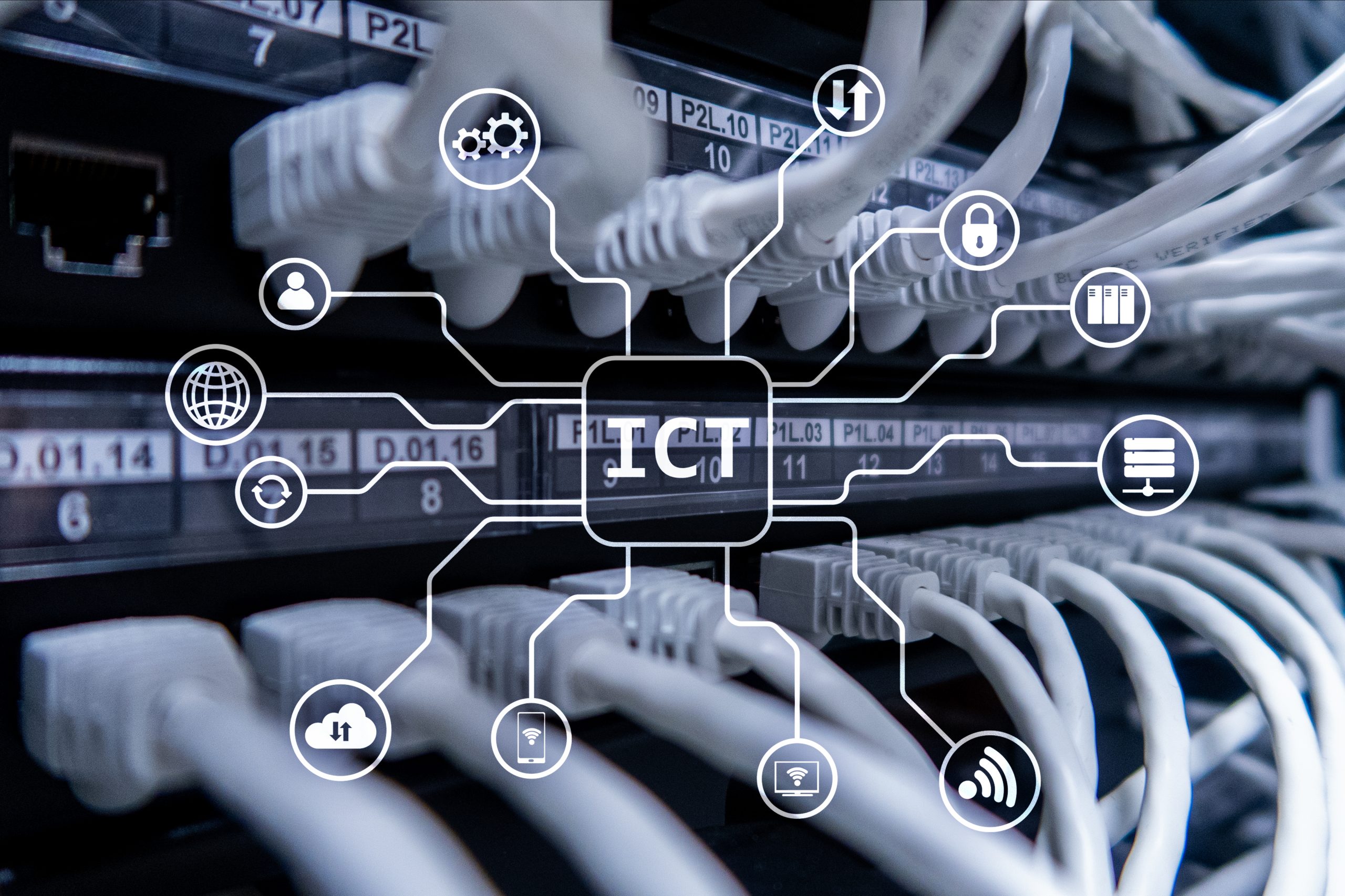
Simply put, ICT infrastructure encompasses all the hardware, software, network resources, and services that allow an organization to operate and manage its IT environment. This includes:
-
Hardware: Servers, computers, laptops, mobile devices, networking equipment (routers, switches, firewalls), storage devices.
-
Software: Operating systems, business applications (CRM, ERP), collaboration tools, security software.
-
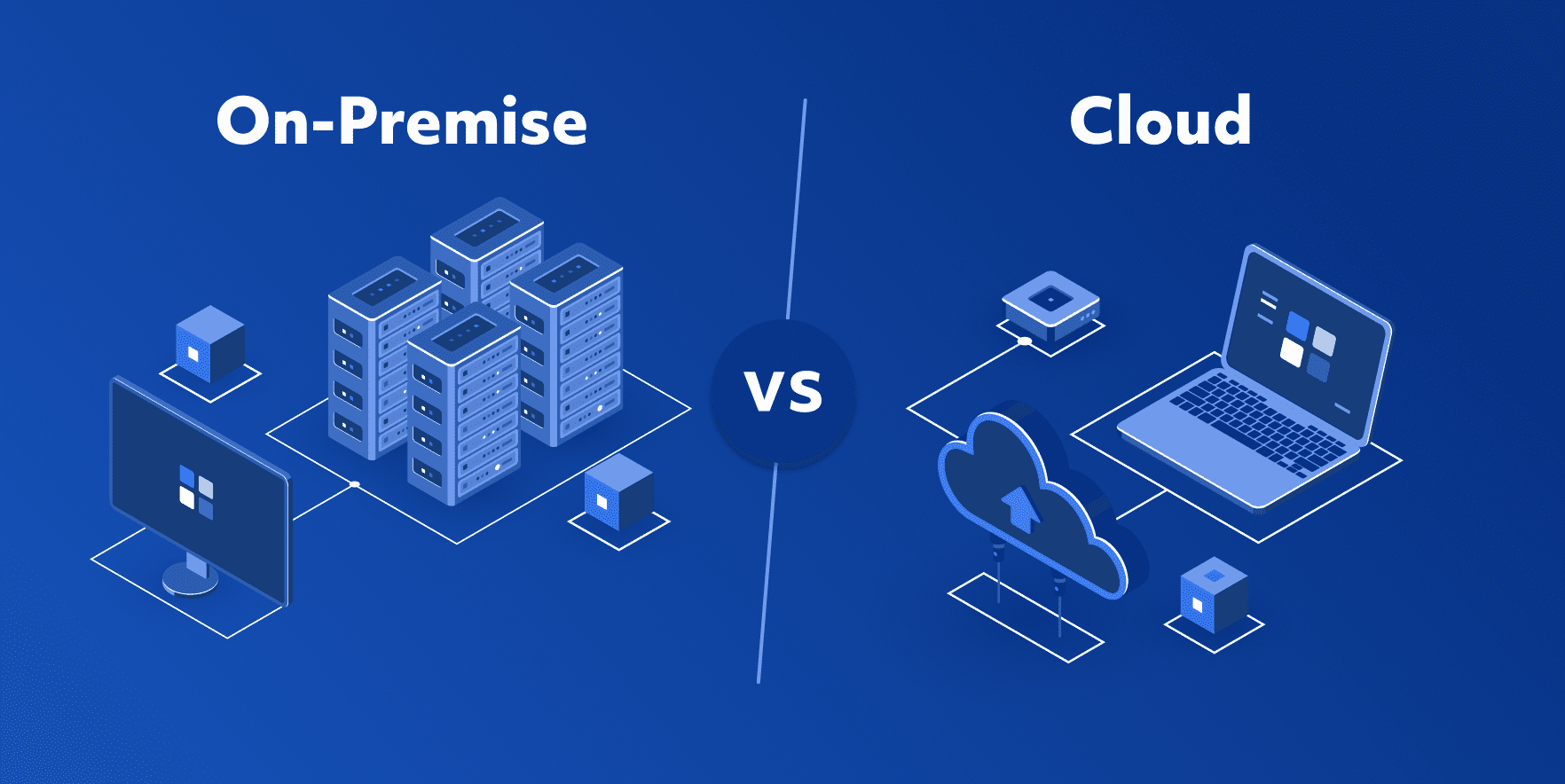
Networking: Wired and wireless networks, internet connectivity, cloud services, data centers (on-premise or remote).
-
Services: IT support, maintenance, security management, disaster recovery planning.
Each component works in harmony to ensure data flows seamlessly, employees can access what they need, and your business can function without interruption.
The Unseen Benefits of a Strong ICT Foundation
Investing in your ICT infrastructure isn't just an expenditure; it's a strategic investment that yields significant returns:
-
Enhanced Operational Efficiency: Streamlined processes, faster data access, and reliable communication tools mean your team can work more productively and spend less time on frustrating technical glitches.
-
Scalability for Growth: A well-designed infrastructure can easily adapt as your business expands, adding new users, applications, or locations without major overhauls. Cloud-based solutions, for instance, offer unparalleled flexibility.
-
Robust Security & Data Protection: In an era of escalating cyber threats, strong infrastructure includes firewalls, intrusion detection systems, secure data backups, and encryption, safeguarding your sensitive business and customer information.
-
Improved Business Continuity: With proper planning, including redundant systems and disaster recovery protocols, your business can quickly bounce back from outages, natural disasters, or cyberattacks, minimizing costly downtime.
-
Better Decision-Making: A well-integrated infrastructure enables effective data collection and analysis, providing valuable insights that inform strategic business decisions.
-
Competitive Advantage: Businesses with modern, agile ICT infrastructure can innovate faster, respond to market changes quicker, and offer superior services, staying ahead of competitors.
Looking Ahead: Key Trends Shaping ICT Infrastructure
The landscape of ICT infrastructure is continuously evolving. Here are a few trends shaping how businesses manage their digital foundations:
-
Cloud-Native Architectures: Moving beyond simply "lifting and shifting" applications to the cloud, businesses are designing new solutions specifically for cloud environments, maximizing scalability and efficiency.
-
Edge Computing: Processing data closer to its source (at the "edge" of the network) reduces latency and improves real-time performance, crucial for IoT devices, AI applications, and immediate decision-making.
-
AI Integration: AI is not only being applied to optimize network performance and predict failures but also to enhance cybersecurity, detecting threats more rapidly and accurately.
-
Sustainability: As data centers consume significant energy, there's a growing focus on energy-efficient hardware, renewable power sources, and sustainable IT practices to reduce carbon footprints.
Is Your ICT Infrastructure Future-Ready?
Ignoring your ICT infrastructure is akin to building a skyscraper on a weak foundation. Eventually, cracks will appear, leading to costly problems and hindering your potential for growth. Regularly assessing, upgrading, and maintaining your ICT systems is paramount to ensuring your business remains competitive, secure, and ready for whatever the digital future holds.